
The Cognitive Traps of the Casino Environment
Understanding the mind behind the dice or the spin of the wheel requires recognizing how casinos are engineered to influence behavior. Every element, from lighting to sound, is designed to keep players in a state of heightened arousal and reduced critical thinking. When individuals enter this environment, they often fall prey to cognitive biases that distort their perception of probability and risk. This psychological manipulation is not accidental but rather a calculated strategy to maximize engagement and spending.

A key factor in this dynamic is the concept of near misses, where outcomes appear close to a win despite being statistically independent losses. This phenomenon triggers dopamine release similar to actual victories, encouraging continued play. By exploiting these neural pathways, gambling establishments create an illusion of control and potential reward that keeps patrons returning to the tables or slot machines repeatedly.
To navigate these waters effectively, one must first acknowledge the power of environmental cues. Recognizing that the atmosphere itself is a tool for persuasion allows players to maintain a clearer perspective on their actions. For those seeking platforms that offer transparent experiences without excessive psychological pressure, exploring options like https://payid-casino-au.net/ can provide a more straightforward approach to entertainment while minimizing manipulative design elements.
The Role of Dopamine in Reward Systems
Dopamine, often referred to as the pleasure chemical, plays a central role in the addiction cycle associated with gambling. It is released not just when a win occurs, but also during the anticipation of a potential reward. This variable ratio reinforcement schedule ensures that the brain remains engaged, constantly searching for the next hit of satisfaction regardless of recent outcomes.
This biological response explains why even significant losses do not deter many players. The intermittent nature of rewards creates a powerful habit loop where the uncertainty itself becomes addictive. Players may chase losses believing that the next bet will finally trigger the desired neurological response, leading to extended sessions and increased financial exposure.
Being aware of this chemical process helps in setting boundaries before starting any session. Knowing that the urge to continue is driven by biology rather than logic empowers individuals to step away when necessary. Developing strategies to interrupt this cycle, such as taking regular breaks or setting strict time limits, can mitigate the risk of falling into compulsive patterns.
Misconceptions About Skill and Chance
Many gamblers operate under the false belief that skill can overcome inherent house edges in games of pure chance. While games like poker involve strategic decision-making, most casino offerings rely entirely on random number generators or physical randomness beyond player control. Overestimating one’s ability to predict or influence these outcomes leads to poor bankroll management and unrealistic expectations.
The gambler’s fallacy is another common error, where individuals believe that past events influence future probabilities in independent trials. For instance, after several reds on a roulette wheel, a player might insist that black is due, ignoring that each spin has identical odds. This misunderstanding of statistical independence is a cornerstone of many losing strategies employed by novices.
Correcting these misconceptions involves education on basic probability theory and game mechanics. Accepting that luck is the primary driver in most scenarios allows for a healthier relationship with gambling as a form of leisure rather than a source of income. Choosing reputable sites that adhere to fair play standards ensures that the randomness is genuine and not manipulated against the player.
Emotional Regulation During Play
Managing emotions is perhaps the most challenging aspect of responsible gambling. Tilt, a term borrowed from poker, describes the state of emotional agitation that leads to reckless decisions. Whether caused by a streak of bad luck or an overwhelming sense of excitement, tilt impairs judgment and often results in chasing losses or betting beyond means.
Developing emotional resilience requires self-awareness and mindfulness techniques. Players should monitor their physiological responses, such as heart rate and tension, as indicators of escalating stress. Learning to pause and reassess the situation when emotions run high can prevent impulsive bets that regretfully deplete funds.
Incorporating pre-commitment tools offered by modern platforms can assist in maintaining discipline. Setting deposit limits, loss limits, and session timers provides structural safeguards that remove the burden of willpower during moments of weakness. These features support long-term sustainability by enforcing boundaries that protect both mental well-being and financial stability.
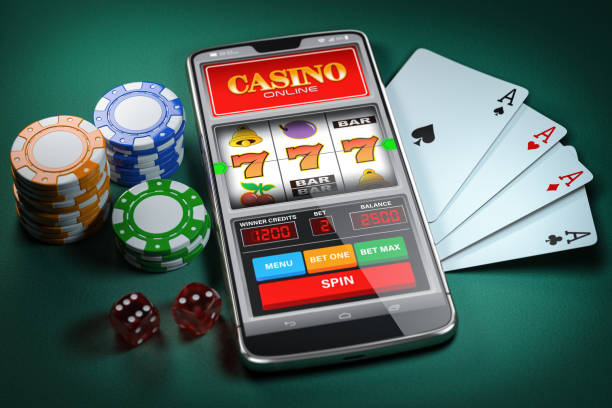
Strategic Approaches at PayID Casino AU
The landscape of online gambling continues to evolve with new technologies and payment methods enhancing user experience. Platforms utilizing efficient systems like PayID allow for seamless transactions, reducing friction between deposits and gameplay. This convenience, however, must be balanced with responsible usage practices to ensure that ease of access does not lead to excessive spending.
Evaluating a site involves looking beyond bonuses to assess its commitment to player safety and fair gaming. Transparent terms, robust security measures, and accessible customer support are vital components of a trustworthy operation. Players who prioritize these factors over flashy promotions are better positioned to enjoy gambling as a sustainable hobby rather than a risky venture.
Ultimately, mastering the psychology of gambling means understanding oneself as much as the games themselves. By combining knowledge of cognitive biases, emotional triggers, and strategic planning, individuals can make informed choices. Engaging with platforms that value integrity and transparency, such as those found through dedicated review channels, supports a safer and more enjoyable gaming community overall.